
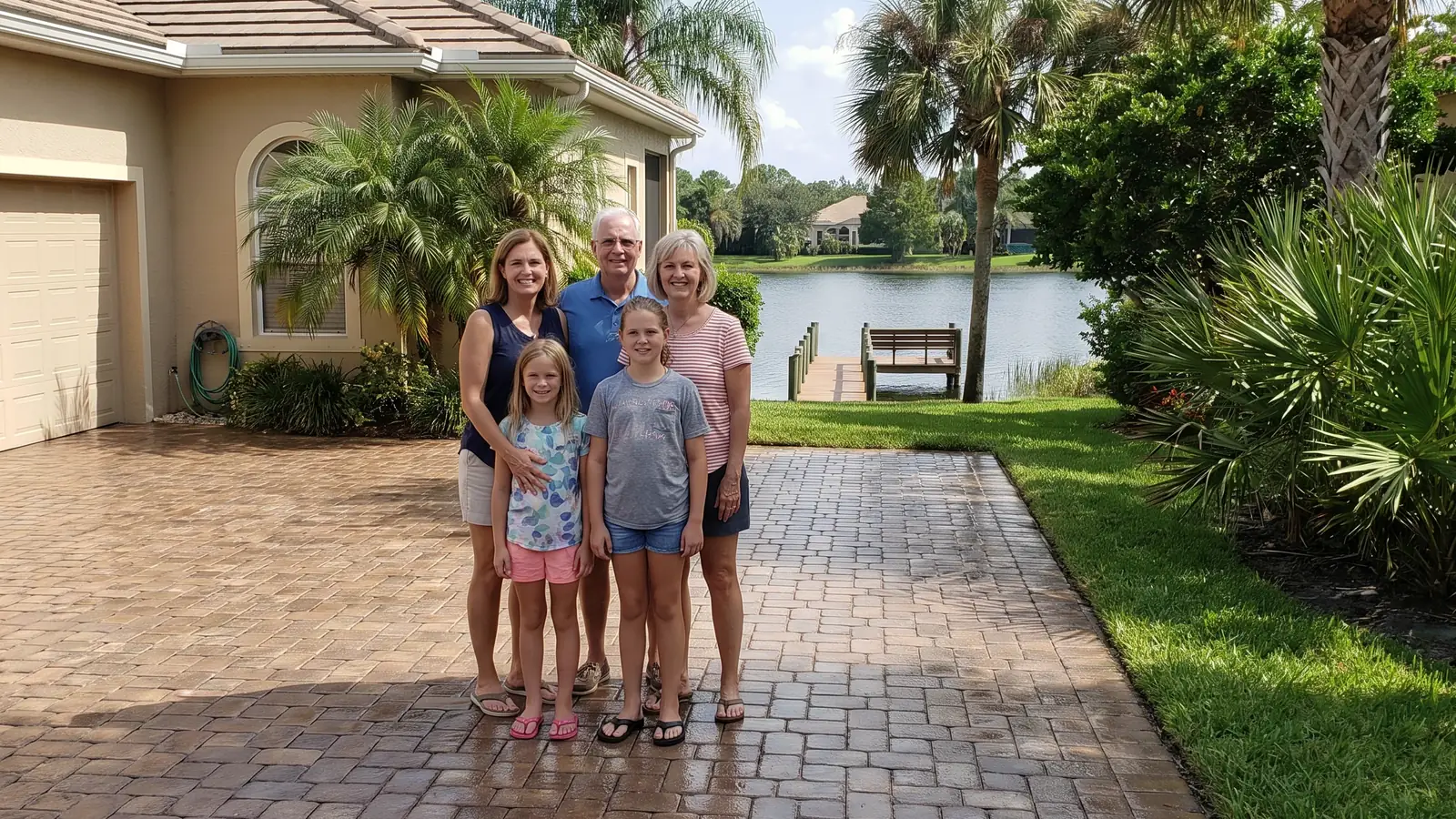
Paver sealing for Largo homes
Paver Sealing in Largo, FL
Pavers from old Largo streets to newer blocks get a free sealing estimate: call (727) 591-3365.
- Brings out deeper paver color
- Fresh joint sand helps lock pavers in place
- Gives weeds less room to grow
- Makes the surface easier to keep clean
- Free estimate, no obligation
Request a Free Estimate
Free, no obligation.
Fast, careful paver sealing in Largo
Paver sealing in Largo is a free-estimate service for homeowners from the creek-side streets to the blocks near the Pinellas Trail. A local contractor washes, re-sands and seals driveways, patios, walks and pool decks. Most replies land within 1 business day, usually much sooner, once you request a free estimate.
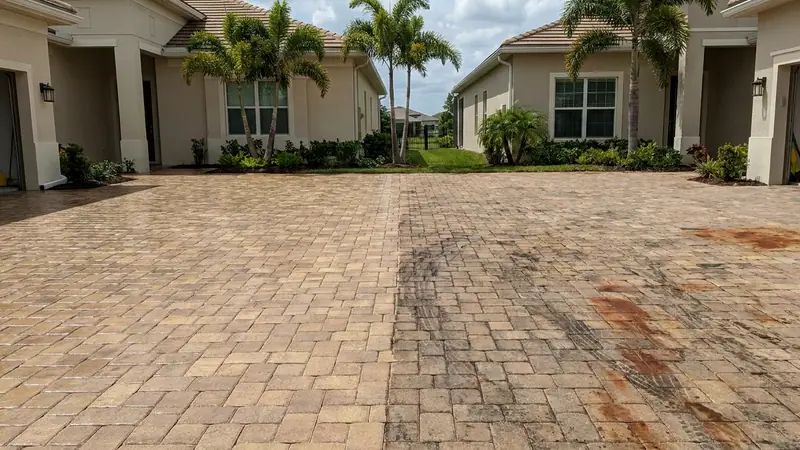
Think of the drive as it looks today, with a dull finish, empty joints and a dark stripe where the sprinklers hit. Then picture it after a wash, fresh sand and sealer, one steady color from the garage to the curb. If you would like to ask something first, call (727) 591-3365. That one call starts everything.
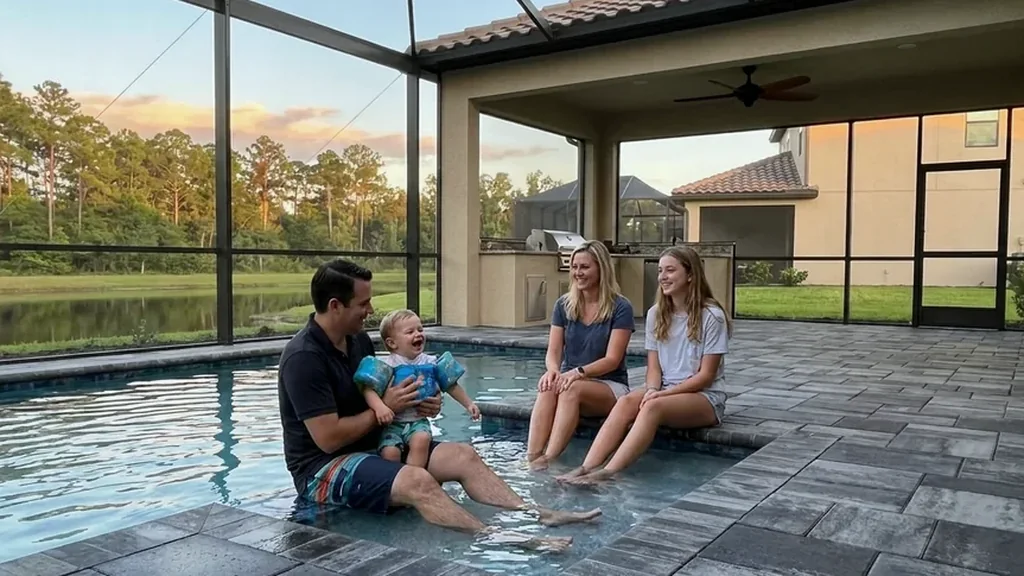
Why hire a local paver sealing contractor in Largo?
Largo is a big, spread-out city, and its pavers were laid in many different decades. A contractor who knows the area plans around that mix, so request a free estimate and describe your surface. A short call is enough to start. That keeps the plan simple.
Free look, written price
The contractor measures your Largo pavers and writes up a price. Turning it down is fine. Ask anything you like.
A range to hold bids to
Tampa Bay shops publish $1.25 to $2.50 per square foot for a clean, sand and seal.
Sorted by age
A paver laid in the 1970s and one laid recently get different washes and different sealer plans.
Finish and date are yours
Matte or wet look, this month or next. Nothing starts until you agree.
Get Your Free Estimate in Largo
Tell us about your pavers in Largo.
Free, no obligation
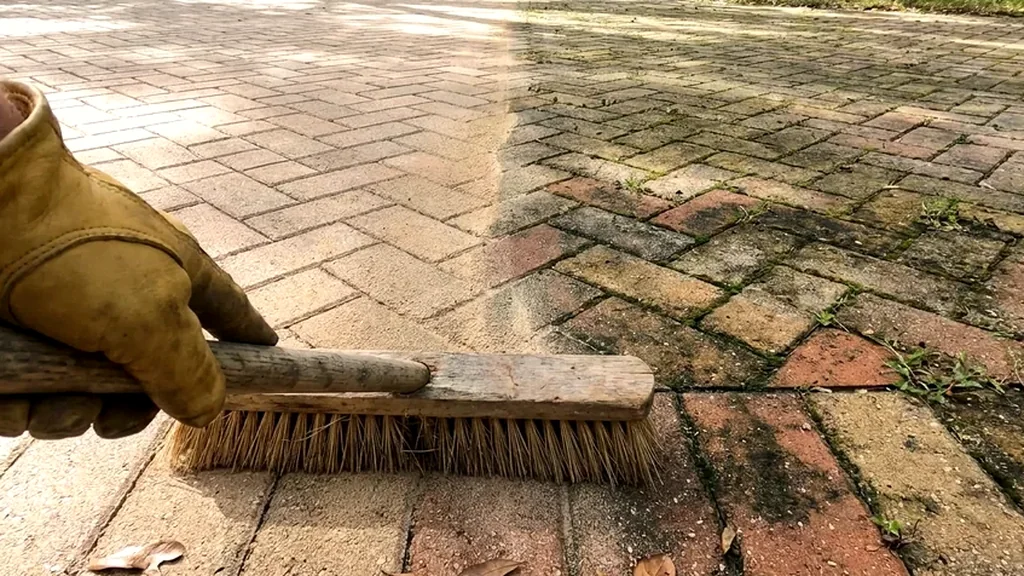
What paver problems show up most in Largo?
Pavers of every age
Largo grew from about 5,000 people in 1960 to about 20,000 in 1970 and kept growing. Its area went from about half a square mile to roughly 19. So pavers here were laid in many different decades. Older faces can be softer, so the wash pressure is set surface by surface. A paver laid in the 1970s and one laid last year need different handling, even on the same street. Tell the contractor what you know about the age of the house, and the plan can start from there. That is the reason one flat bid across a whole street rarely fits. Moving from the old center toward newer ground, a driveway can change from tight old joints to wide modern ones in a matter of blocks. That range is why a street-wide price does not work and each surface is measured on its own. A quick look at the age of the house gives the contractor a starting point.
Damp ground near creeks and lakes
Largo ranges from sea level to about 69 feet, with Allen's Creek draining the northeast and McKay Creek the southwest. Low lots near water stay damp longer. Damp pavers grow algae and slow the drying that sealer needs before the coat goes on. If a corner of your driveway stays dark a day after the sun comes out, mention it. That corner usually sets the pace for the whole job. Drying time near water is the main reason a quote includes a window instead of one exact hour. Where the slope runs toward a creek, water moves across the pavers on its way and leaves film and fine silt behind. The contractor looks at where the runoff goes before choosing a wash plan. Largo runs from sea level to about 69 feet, so two lots a mile apart can behave differently.
Joints emptied by summer storms
From late May to early October, thunderstorms are a near-daily event. Hard rain washes sand from joints and lets weeds in. The contractor sweeps in fresh sand after the wash and before the sealer, so the joints are locked when the coat dries. A driveway whose edges look thin and sandy by September is a good candidate for new sand, and sealing without it would only lock the gaps in. The edge of a paver run near a downspout is a typical trouble spot. Roof water falling in one place can pull sand out in a few seasons, and the gap shows up as a dark line. Sand costs little next to what loose joints let in over a few summers.
Rust and sprinkler stains
Most Florida well water is high in iron, and irrigation that uses it can leave orange fans on pavers. A sprinkler set too close to a driveway edge is the usual cause. Rust is treated in the wash, since sealer over a stain would fix it in place. Moving the sprinkler head back from the edge keeps the stain from returning once the new coat is on, which means the repair lasts. It also helps to run the sprinklers once before the visit, so the contractor can see where the water lands. Orange fans usually point back to a single sprinkler head, so the stain pattern is a map of where the water lands. A fan-shaped mark on a driveway apron tells the contractor which head to adjust. Moving that head a foot back keeps the stain from returning once the new coat is on.
Runoff that reaches local lakes
Lake Seminole drains a small, mostly developed area of Seminole and Largo, and the county has noted its water quality. Wash water that reaches a storm drain goes to waterways untreated. So the contractor sweeps first, covers the inlet and keeps rinse water out of the drain. It is a small step, and it keeps a homeowner on the right side of the county guidance. Because Largo and Seminole share the Lake Seminole drainage, a careful rinse is a small civic favor as well as a rule. The contractor plans the route of the rinse water before the first nozzle is turned on.
Do older and newer parts of Largo need different paver plans?
Yes, since Largo grew in stages. The city started at 9/16 of a square mile and annexed its way to about 19 by 2010, so pavers near the old center are not the same age as those in later subdivisions. An approximate year for your house is enough when you request a free estimate. Pavers laid after the 1960s growth burst may sit beside much older streets.
Largo also has pockets that look like part of the city but are not. Ridgecrest is an unincorporated community, 0.9 square mile and 2,966 people in 2020, forming an enclave between western and central Largo. Several other county enclaves surround the city. Rules for permits and rinse water can differ by address, so call (727) 591-3365 and give yours.
The Pinellas Trail opened its first five miles at Taylor Park in Largo, and the Florida Botanical Gardens sits in Pinewood Cultural Park. Walkers and neighbors see your driveway all day. A clean, sealed surface stands out, and a contractor can plan around trees and lawn beds. To get started, request a free estimate.
What does paver sealing cost in Largo?
Look at the surface first. In Largo, price follows condition more than address: old sealer, algae and gappy joints raise it, and a tight, clean surface lowers it. The published spread is $1.25 to $2.50 per square foot. Call (727) 591-3365 for a figure matched to yours.
Then look at the layout. A single-car drive is quick, while a long drive with a walk and a lanai takes a full day. Each area is measured and listed separately, so ask to see that list when you request a free estimate.
| Paved area | Typical example | Clean, sand and seal |
|---|---|---|
| 300 sq ft | Small patio or walkway | $375 to $750 |
| 600 sq ft | Two car driveway | $750 to $1,500 |
| 1,000 sq ft | Large driveway or pool deck | $1,250 to $2,500 |
| 1,500 sq ft | Driveway plus pool deck | $1,875 to $3,750 |
Math based on the $1.25 to $2.50 per square foot that Tampa Bay paver companies publish. Your contractor sets the actual price after seeing the surface. Repairs, leveling and stripping failed sealer are usually extra.
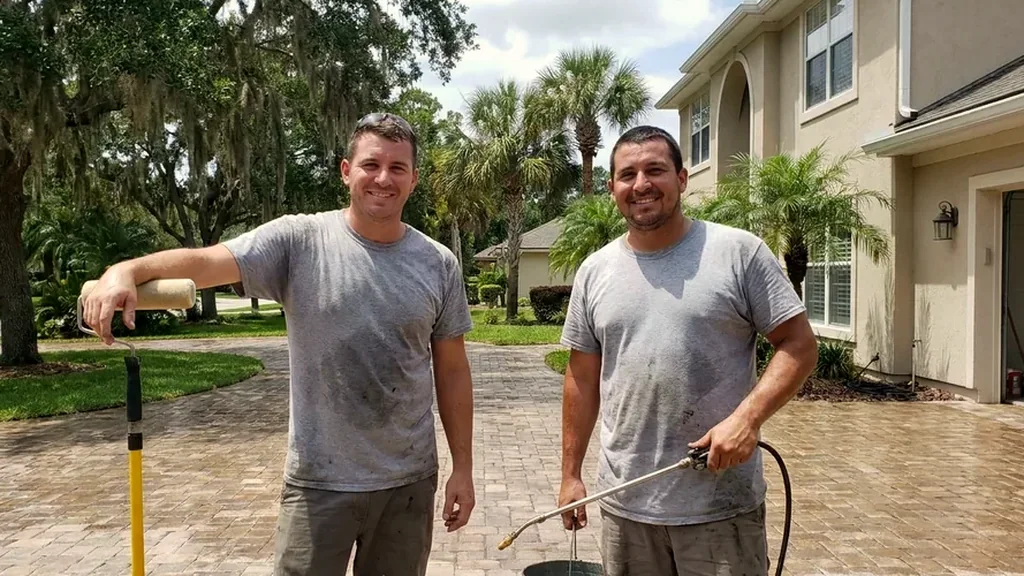
How does a paver sealing job work in Largo?
Learn the age
Age comes first, so the first question is when the pavers were laid. Older faces get a gentler plan, and any past sealer is identified so the new product will bond. Sunken pavers are marked for resetting, and shaded corners are noted. If a landscape bed or a tree root sits near the edge, mention it, since roots can lift pavers over time.
Sweep, cover, wash
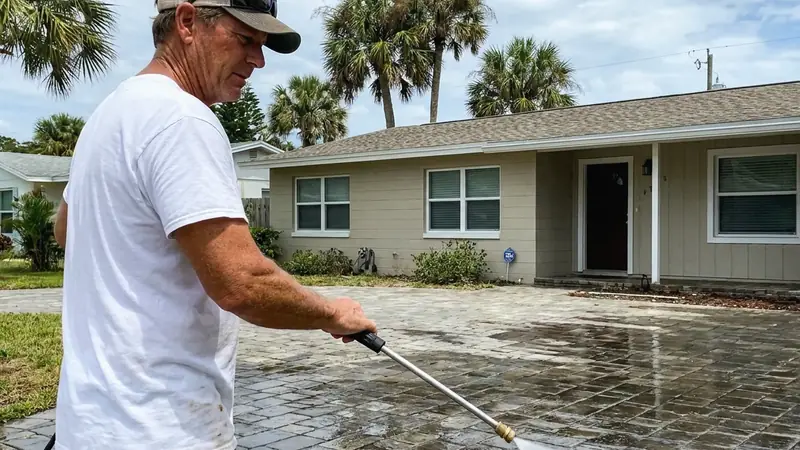
Grit gets swept up first, then the drain is covered and the wash starts. Algae, grime and rust lift from the faces and joints, and the rinse stays on the pavers. Working in sections keeps dirty water from drying on a clean patch.
Dry through
Creek-side lots and shady yards can need extra hours. The contractor checks the pavers and the joints before opening any sealer, since a coat over moisture can turn cloudy. Pressing a palm on a joint is an old test that still tells the truth.
Sand back in
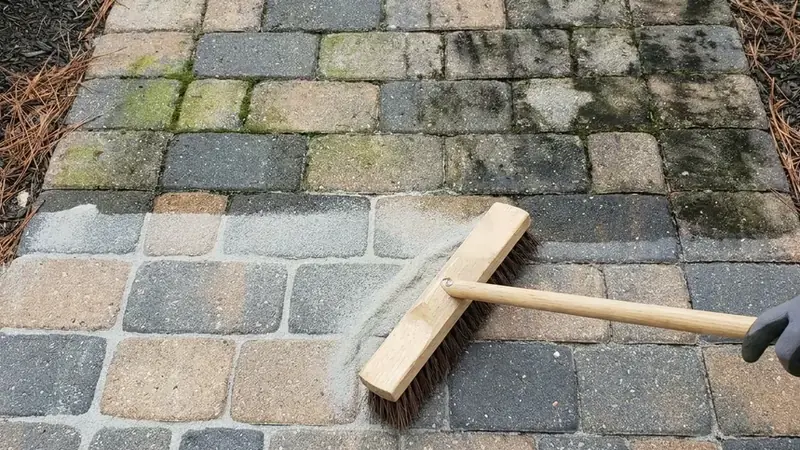
New sand is swept in and set to tie the pavers together and slow weeds. Curb and garage edges get another pass, because rain pulls sand from there first. Joints that stay full after the first heavy rain are the sign it was done right.
Seal, then wait
An even coat goes down in your finish. Shoes are fine within hours, and tires wait about a day. You get both times before the crew leaves. Keep a note of the date, since two to five years from now it tells you when to look again.
Complete paver services in Largo
Largo jobs run in a set order, from inspection through washing, drying and sand to sealer. The wash comes first so no growth gets locked in. Ask how long each stage takes when you request a free estimate, since shade, creek moisture and old sealer change the pace. Expect a clear schedule rather than a vague promise.
Surfaces differ across the city. Driveways take tires and sprinklers, and walks under trees go green first. Patios, lanais and pool decks each have their own needs. List them all when you call (727) 591-3365.
Pick a sealer by use and look. Matte keeps a natural color and hides scuffs, and a wet look deepens color but marks sooner. Whatever is on the pavers now limits the choice. For help deciding, request a free estimate.
Weather sets the calendar. Late May to early October brings daily storms, so the drier months give pavers time to dry and cure. If a storm moves your day, the contractor rebooks. Call (727) 591-3365 early to find a slot.
Questions to ask before you hire
- My pool uses salt. Will the sealer or the rinse water bother it or the screen cage?
- If I give you one flat number, which jobs on the checklist does it pay for?
- Do you walk the property with a tape or a wheel before you give me a price?
- After a downpour, how many dry days do you want before you start?
- My community has an HOA. Do you handle their approval paperwork?
- Will the estimate you hand me list the sealer brand and how many coats go down?
- Some of my pavers have a chalky film. Does that get dealt with before sealing?
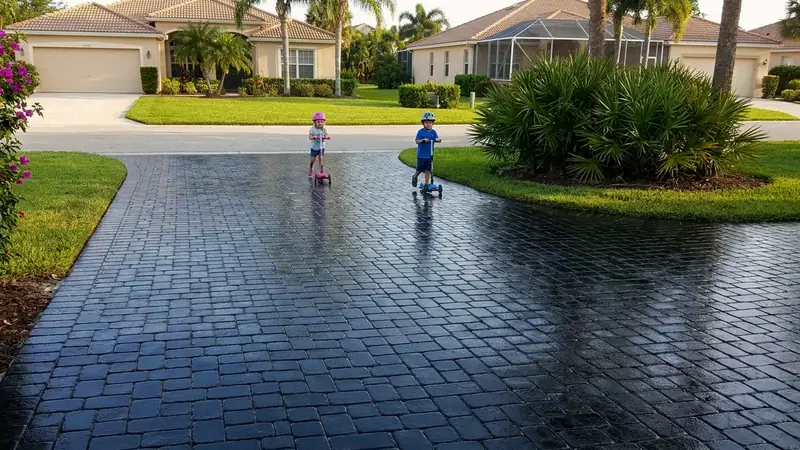
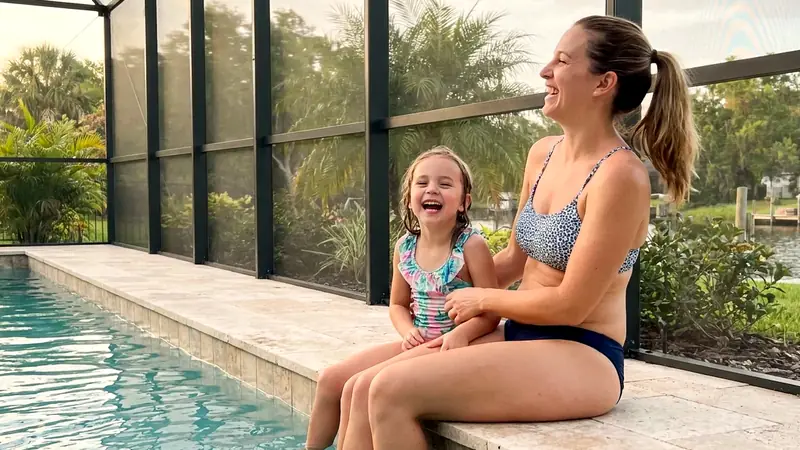
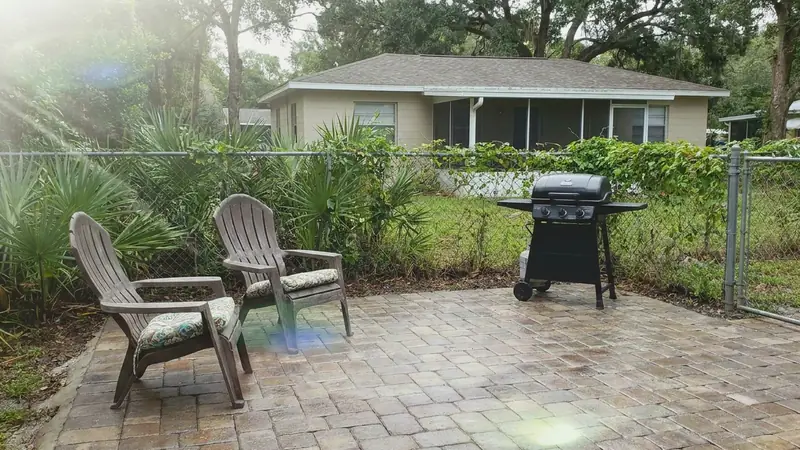
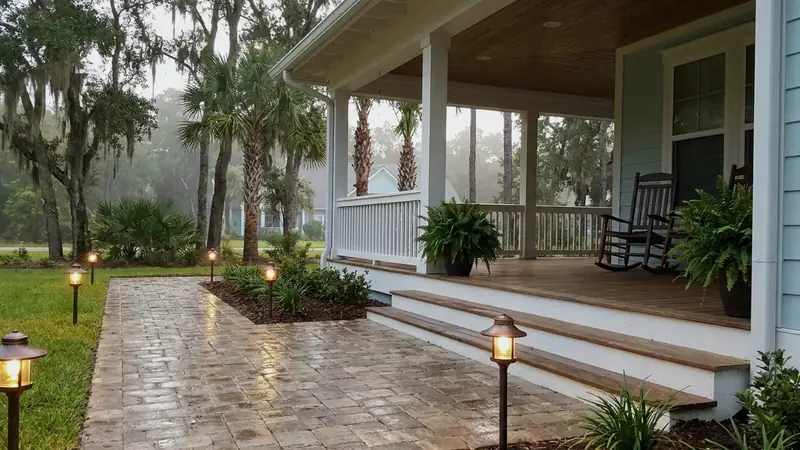
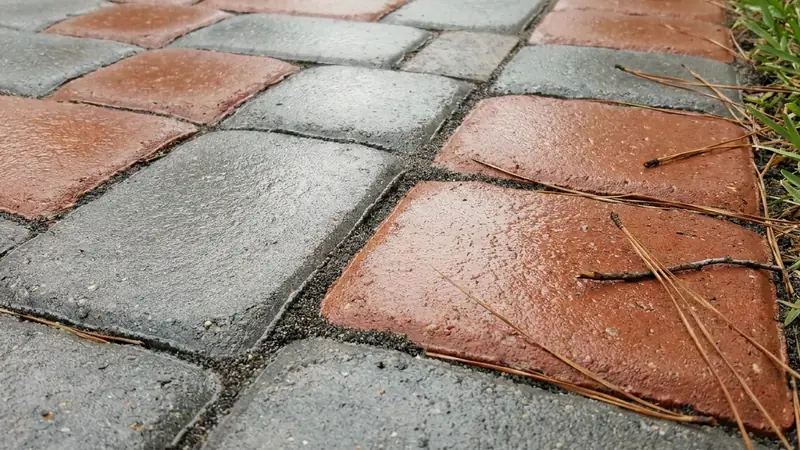
What do sealed pavers look like around Largo?
Why local matters in Largo
Across Largo the pavers range from old center streets to later subdivisions, and a contractor who works here sees that range every week. That keeps the first visit short and the plan matched to your surface. To start, request a free estimate. A shorter visit means less time spent explaining your lot.
Some addresses sit in the city and some in county pockets like Ridgecrest, and rules can differ between them. A contractor who has worked both spots it early. Call (727) 591-3365 and ask which rules are most common near you. That is worth knowing before work starts.
Creeks, lakes and a county that wants clean storm drains all shape how a wash is done in Largo. A crew that works here plans for that every time. Before the job, request a free estimate and ask how the drain at your driveway will be covered. That habit protects nearby waters.
How did Largo grow into the city it is today?
Largo started small and grew by annexing land after World War II. It reached about 13 square miles by 1982 and about 19 by 2010, and its population jumped from about 5,000 in 1960 to about 20,000 in 1970. That history is why pavers here vary so much, so ask about yours when you request a free estimate.
Landmarks spread across the city. Heritage Village holds the 1852 McMullen-Coachman Log Cabin, the oldest standing structure in Pinellas County. The Florida Botanical Gardens covers 182 acres nearby, and the Pinellas Trail begins at Taylor Park. For a look at your driveway, call (727) 591-3365.
Frequently Asked Questions
What does paver sealing cost in Largo?
Largo owners can measure a bid against $1.25 to $2.50 per square foot, the spread published for a full clean, sand and seal. Old sealer, algae and thin joints push a Largo job up inside that range. The quote should state the total square feet, which lets you compare.
What is the paver sealing cost for a typical Largo driveway?
Run the published range against your own square footage. A larger drive, or one with a walk and a patio, costs more at the same rate. The contractor measures it on a free visit.
Can outdoor pavers be sealed in Largo year round?
Mostly, but timing matters. Storms arrive daily from late May to early October, and sealer needs a dry surface and dry joints. Drier months make drying and curing easier.
How long does paver sealer last in Largo?
Most companies quote two to five years. Heavy shade, tires and creek-side dampness point toward the short end. If a sprinkle soaks into the paver and darkens it, the coat is finished.
Is a Largo address in the city or in the county?
It depends. Largo is surrounded by county pockets, and Ridgecrest is an unincorporated community inside the city's footprint. Your address and parcel record show which rules apply, and the contractor can help you check.
Where does wash water go during a paver job?
Storm drains are the one place it must not go. Pinellas County tells businesses never to send wash water into storm drains, since those drains feed local waters untreated. Ask how the inlet in front of your house will be covered.
Can sealer go over my old sealer?
In some cases yes, but water-based sealer will not cover solvent-based sealer. The contractor identifies the old product first. An old invoice can settle the question in a minute.
Will pressure washing damage older pavers?
It can at the wrong pressure. Older pavers and brick can have softer faces, so the contractor lowers the setting and works slowly. Say how old the surface is when you call.
Why do my Largo pavers look gray or green after summer?
Rain and shade keep pavers damp, and damp pavers grow algae. Fading and dirt add to the gray look. A wash clears the growth, fresh sand fills the joints and a sealer coat makes the next cleaning easier.
Does sealing stop weeds in my Largo paver joints?
It helps, but fresh joint sand does most of the work. Washing removes the old sand, so new sand is swept in before the coat goes on. Sealer then helps lock that sand in place, which slows weeds.
Does the age of my Largo house change how pavers are sealed?
Yes, mostly in the wash. A house from the 1960s or 1970s may have older pavers with softer faces and thin joints, so the contractor uses a lower setting and adds more sand. Newer pavers take a firmer wash. Either way, the surface must be dry before sealing.
Do Largo's creeks and lakes affect when I should seal?
They affect how long the pavers take to dry. Lots near Allen's Creek, McKay Creek or a lake can hold moisture longer, and shade adds to it. The contractor checks the surface and the joints and waits for them to dry. That can add a day or so after rain.
Ready for a Free Estimate in Largo?
Call (727) 591-3365 and tell us about your pavers.
Free, no obligation