
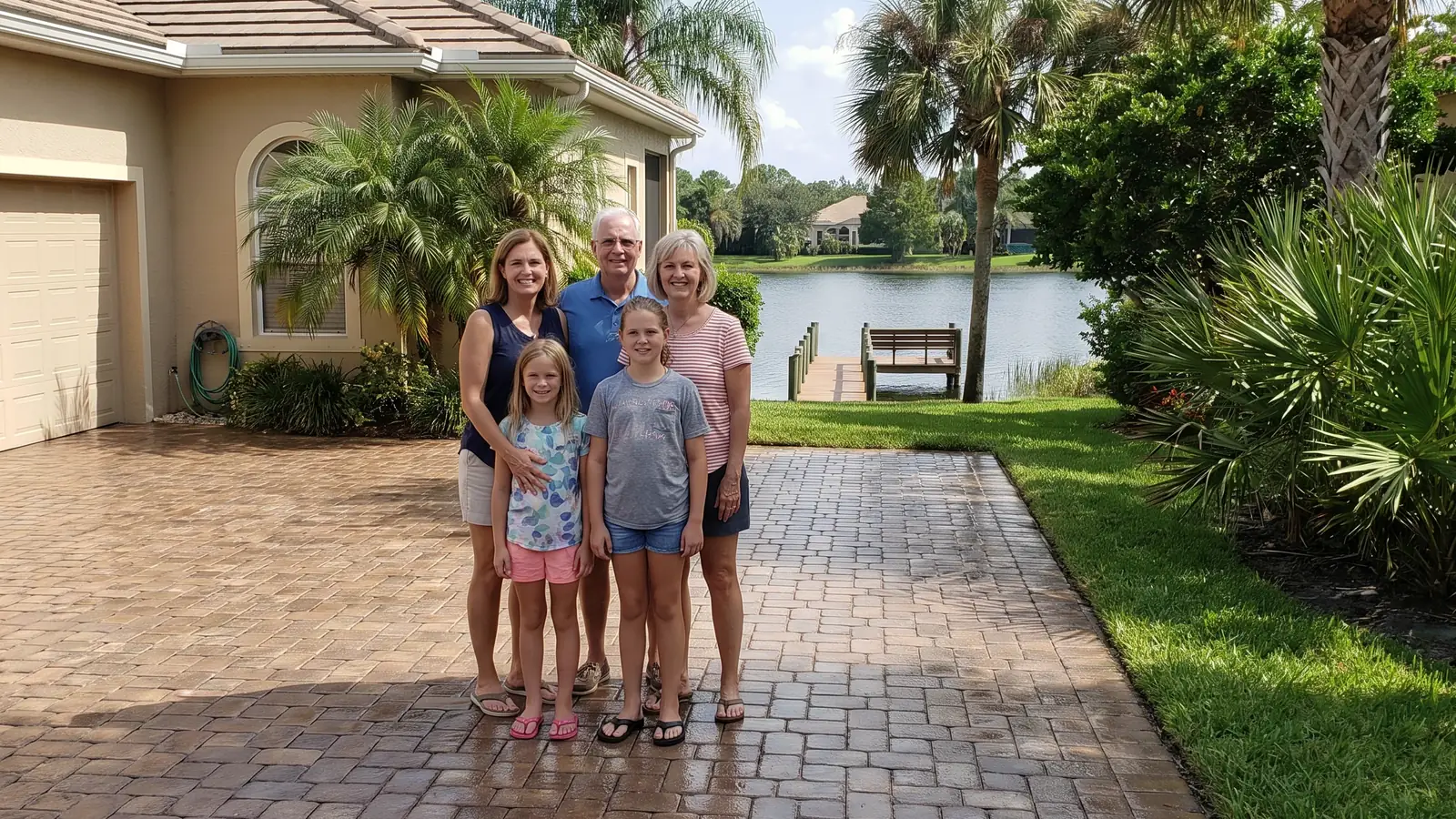
Paver sealing for Lakewood Estates homes
Paver Sealing in Lakewood Estates, FL
Lakewood Estates pavers around the 1924 country club get a free sealing look when you call (727) 591-3365.
- Brings out deeper paver color
- Fresh joint sand helps lock pavers in place
- Gives weeds less room to grow
- Makes the surface easier to keep clean
- Free estimate, no obligation
Request a Free Estimate
Free, no obligation.
Fast, careful paver sealing in Lakewood Estates
Paver sealing in Lakewood Estates is handled by a local contractor who visits your lot, looks over the drive, the walks and the pool deck, and quotes the work for free. Send a request through request a free estimate and a reply should reach you inside 1 business day, often sooner.
Think of the walk you cross every morning, gray along the edges and green where the trees keep it damp. One wash, a top-up of sand and a coat of sealer, and it reads as one even color again. If you would rather talk first, call (727) 591-3365.
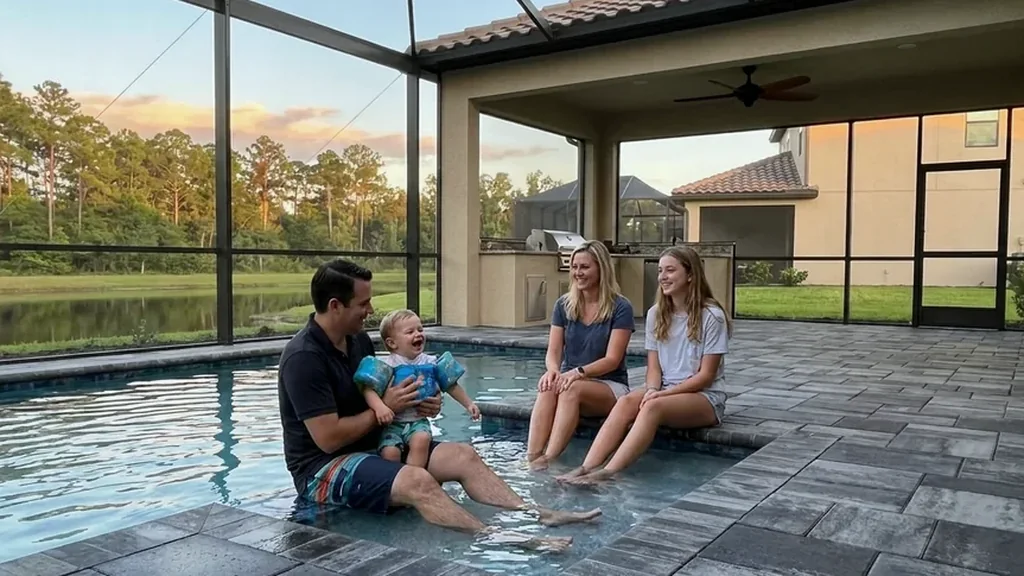
Why hire a local paver sealing contractor in Lakewood Estates?
Lakewood Estates grew up around a golf course in 1924, so lots run from open and sunny to deep in shade. Tell a contractor which kind you have by using request a free estimate.
Lot-by-lot look
The contractor reads your shade, your sprinklers and your old coat before quoting, so the price fits your lot and not a template.
Numbers you can check
Tampa Bay companies publish $1.25 to $2.50 per square foot for the full clean, sand and seal. Line any bid up against that.
Finish to match the house
Matte sits quietly beside a mid-century front, while wet look pops color and shows scuffs sooner. You choose.
Your call, always
Pick the day, or decline after the quote. A reply arrives inside 1 business day, often sooner.
Get Your Free Estimate in Lakewood Estates
Tell us about your pavers in Lakewood Estates.
Free, no obligation
What paver problems show up most in Lakewood Estates?
Green film under mature trees
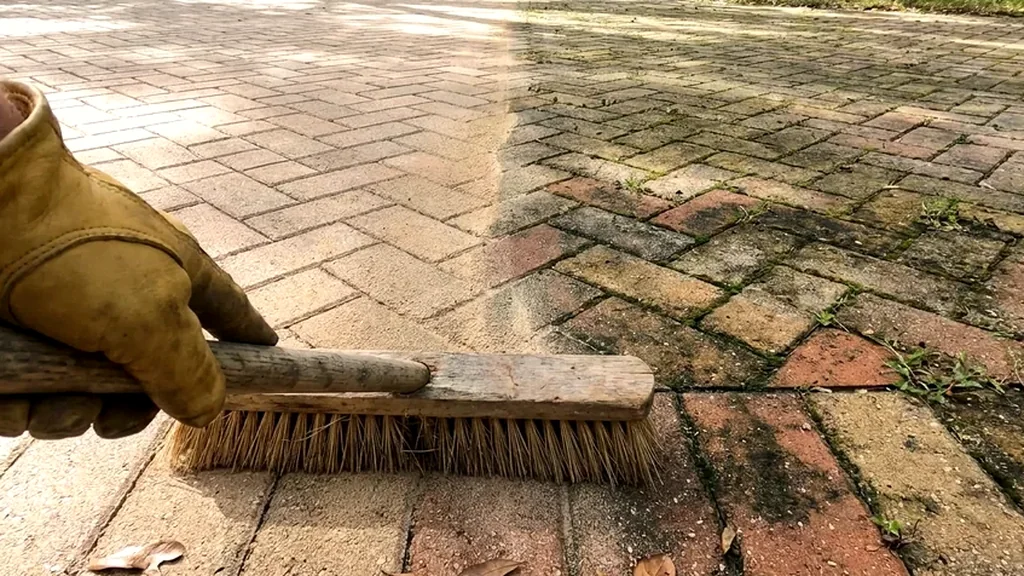
Listings describe Lakewood Estates as mid-century homes on larger lots with mature landscaping and tree cover. Shade keeps pavers damp, and damp pavers grow green film first along the edges. A Tampa Bay company also names live oak tannin as a stain that sinks into pavers with thin or no sealer. Expect the darkest patches under the biggest canopies. Pavers that never dry out between storms stay green longer. Cleaning first, then sealing, keeps the green from coming back as fast. Tree cover is a recurring detail in listings for this area, and a deep canopy means a slow dry-out after every rain. Green film returns faster on those blocks than on sunny corners. Raking helps, though tannin and algae reach into the surface and need a wash.
Sprinklers aimed at one strip
One Tampa Bay company points out that irrigation heads hitting the same strip of driveway or walkway wear that strip years before the rest. A larger lot has a long lawn edge, so there are more chances for that to happen. The sealer thins along that strip first. That means it may need attention before the rest of the pavers do. A quick look at where the spray lands is part of a good estimate visit. On lots with a long lawn edge, a head that has shifted a few degrees can soak the same strip every morning for months. Sealer thins along that strip first, and the strip shows where the heads need adjusting. A quick spray-pattern check costs a minute and saves a patchy coat.
Rain that has to go somewhere
Lake Maggiore, on the south side of St. Petersburg, was cut off from tidal Tampa Bay by a dam in 1940. It now works as part of the city's stormwater system. That shows how much summer rain this end of town has to move. Hard rain pulls sand out of joints, and open joints let weeds and ants in. Fresh joint sand slows that loss and keeps the pavers steady. Washing alone will not hold up through a wet summer without that sand. Boyd Hill Nature Preserve, 245 acres of trails and boardwalks, borders the lake and shows how much of this end of the city is built around water. Fresh sand matters most at the apron and along the edges where runoff concentrates.
A sealer nobody wrote down
Many homes here date to the mid-century, so pavers were often added later by an owner who used an unknown product. Water-based sealer cannot go over solvent-based sealer, so the contractor must learn what is already there. A Pinellas company says white, cloudy old sealer may need stripping first. A peeling or patchy coat is another clue. Sealing over a failed coat only hides the problem for a season. Ask the previous owner what was used, and look for paperwork in the garage. Even a product name from an old receipt can save a lot of guesswork. If a coat looks cloudy or chalky, say so at the estimate.
Sun on open driveways
The Tampa Bay area gets about 2,920 hours of sunshine a year, roughly two thirds of the daylight hours. A driveway with no shade takes the full dose, so its color fades first. One Tampa Bay company says full-sun driveways often need attention nearer the 3-year mark. Covered patios can hold up for 5 years or more. Sealing early, before the color is gone, keeps the repair simple. Summer here is humid and bright for months, so a drive that faces the afternoon sun is the first place to look for fading. Fading is gradual, so compare a sunny stretch with a shaded one to see how far it has gone.
Does paver sealing change near the St. Petersburg Country Club in Lakewood Estates?
It can, because these streets grew up around a golf course. The club says Charles Hall developed Lakewood Estates in 1924 and hired architect Herbert Strong to lay out a course through the natural landscape. A pool deck in full sun and a front walk under old trees age in different ways, so tell the contractor which you have when you request a free estimate.
Housing here is mixed. In ZIP 33712, about 61 percent of homes are single-family and about 38 percent sit in buildings with two or more units, according to Census figures on zip-codes.com. A shared courtyard in a small building may belong to an association, not to you. Call (727) 591-3365 and say who owns the pavers before a visit is booked.
Larger mid-century lots mean more paver area to measure. A driveway, a front walk, a rear patio and a pool deck can all go into one estimate. That changes the total more than the rate does. If your lot has a pool cage, mention it when you request a free estimate, and the contractor will plan the rinse work around it.
What does paver sealing cost in Lakewood Estates?
The published Tampa Bay range is $1.25 to $2.50 per square foot for cleaning, sand and sealing. On a Lakewood Estates lot, shade growth and an unknown old coat push toward the top, and a clean open slab sits near the bottom. Bigger lots mean more square feet, so the total rises even when the rate does not. To see your number, request a free estimate.
Access can shift the price as well. A wide drive off a quiet street is easy to set up, while a back patio behind a gate takes more carrying and a pool cage means slower rinsing. Call (727) 591-3365 and ask which of these apply, since the question is free.
| Paved area | Typical example | Clean, sand and seal |
|---|---|---|
| 300 sq ft | Small patio or walkway | $375 to $750 |
| 600 sq ft | Two car driveway | $750 to $1,500 |
| 1,000 sq ft | Large driveway or pool deck | $1,250 to $2,500 |
| 1,500 sq ft | Driveway plus pool deck | $1,875 to $3,750 |
Math based on the $1.25 to $2.50 per square foot that Tampa Bay paver companies publish. Your contractor sets the actual price after seeing the surface. Repairs, leveling and stripping failed sealer are usually extra.
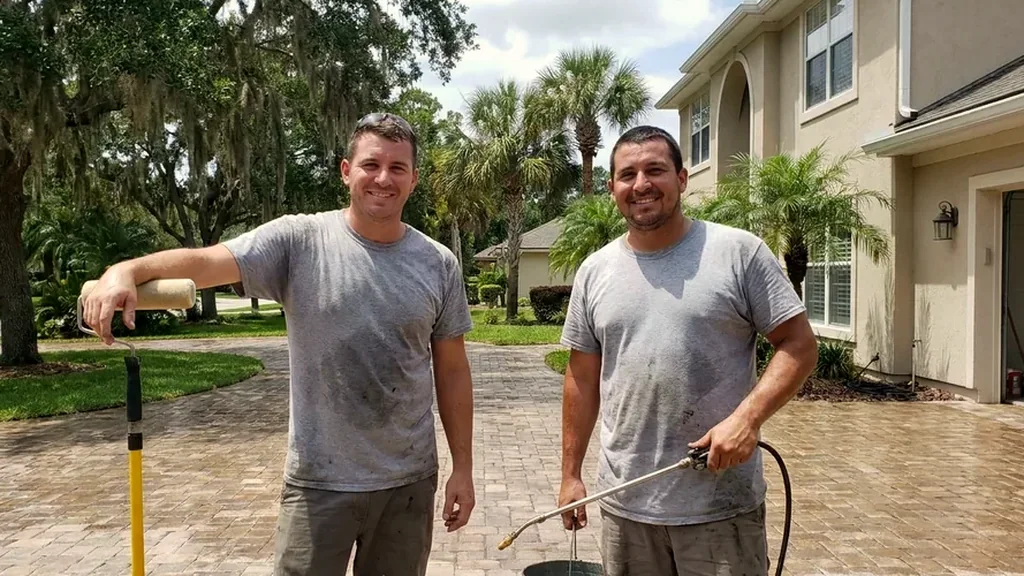
How does a paver sealing job work in Lakewood Estates?
Morning walk-through
Before any water flows, the contractor circles the drive, the front walk and the pool deck. Trees, sprinkler spray and low corners get noted. The sheen and the edges hint at whether an old coat is down. Solvent-based and water-based coats do not mix, so that answer steers the product. Bring up where you park, since heavy loads can press on the edges of a drive.
Scrubbing off the shade stains
Next, the contractor washes off green film, leaf tannin and grime. Rust and oil marks get a separate treatment. Plants and screens are rinsed with care. Sealing before this step would shut the dirt in for good. Wash water runs downhill, so low corners are rinsed last.
Topping up the joints
Wash water carries sand out of the joints, so new sand goes in and gets swept level. Tight joints slow weeds and ants. They also keep each paver snug against its neighbor, which helps the coat bond to a firm surface. If the joints have been low for years, expect extra sand and a longer visit.
Letting the surface dry out
Sealer wants dry pavers. A company in St. Petersburg asks for 24 to 48 hours in Florida humidity, and afternoon storms from May through October can stretch that. Pavers under tree cover often dry last, so the shady patio sets the pace. Check the weather the evening before, and again at sunrise.
Coating and cure time
Thin coats go on in your finish. One Pinellas company says walking is fine after about 4 hours, furniture can return the next day, and cars wait about 48 hours. Another company asks for a full day on foot, so confirm the timing for your product. Get the finish, the number of coats and the product name on paper.
Complete paver services in Lakewood Estates
Expect four chapters on a Lakewood Estates lot: clean, refill, dry, coat. Cleaning lifts shade growth and tannin, refilling puts back the sand that rain took, and the dry wait lets moisture leave. The coat comes last, over a surface with nothing left to trap. To see how that plays out on your lot, request a free estimate.
Each surface behaves differently. Open driveways fade and wear from tires, a front walk under trees turns green, and pool decks and lanais deal with water all day. Brick and travertine are not concrete, so ask what each needs. Describe yours when you call (727) 591-3365.
Finish and chemistry are the two big choices. Matte keeps the natural color and hides wear, while wet look deepens color, shows scuffs sooner and can be slick near a pool. Water-based and solvent-based coats must not be mixed. Call (727) 591-3365 before you pick.
Seasons set the schedule. From May through October storms arrive most afternoons, so start times stay flexible, and November to April runs steadier. A contractor can offer a window and a rain plan, so request a free estimate and ask for both.
Questions to ask before you hire
- What is the earliest day that my garage door and my cars can be used again?
- Some of my pavers have a chalky film. Does that get dealt with before sealing?
- Will the estimate you hand me list the sealer brand and how many coats go down?
- My pool uses salt. Will the sealer or the rinse water bother it or the screen cage?
- If I give you one flat number, which jobs on the checklist does it pay for?
- My community has an HOA. Do you handle their approval paperwork?
- Do you walk the property with a tape or a wheel before you give me a price?
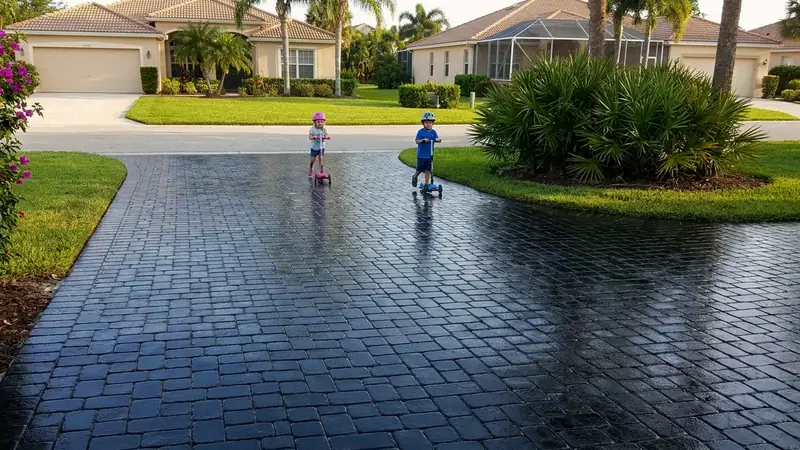
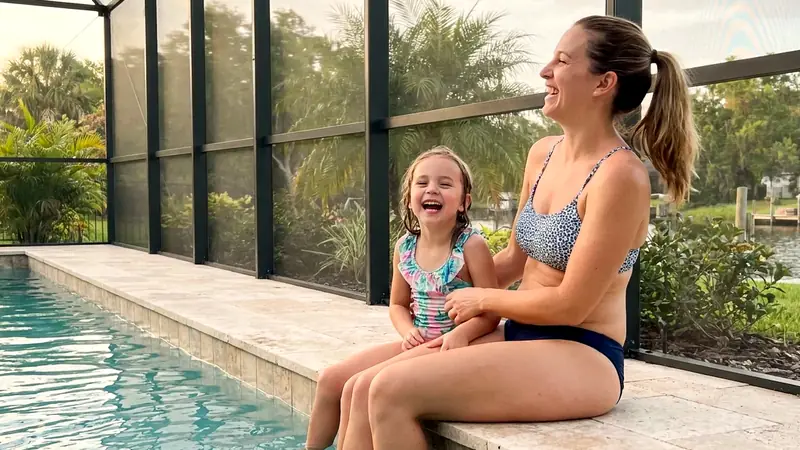
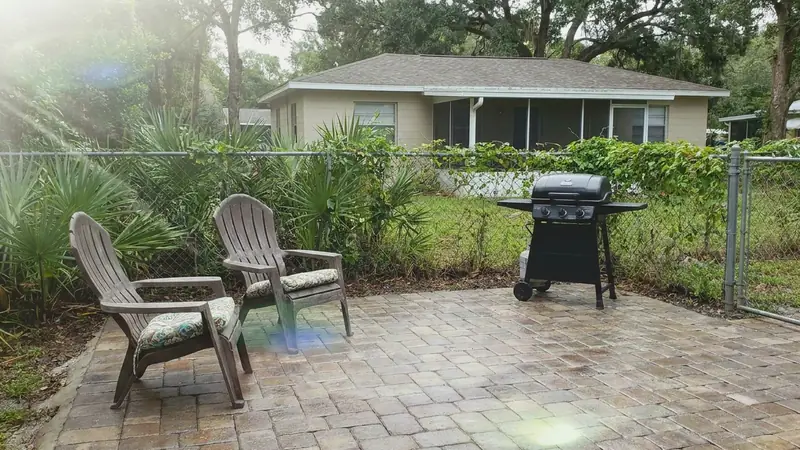
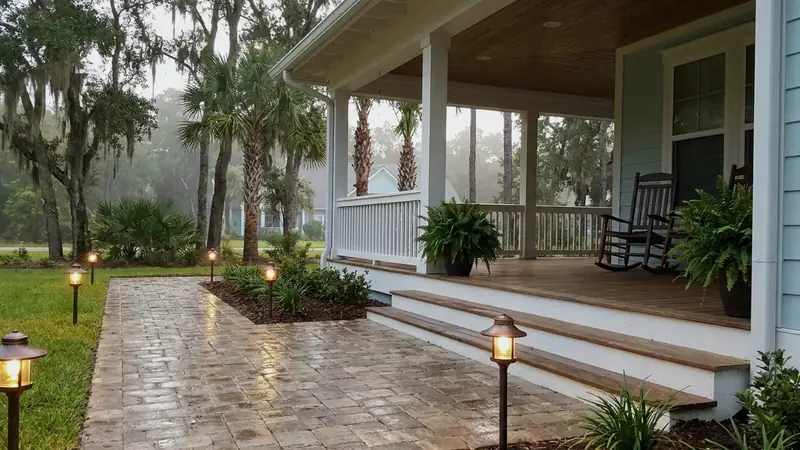
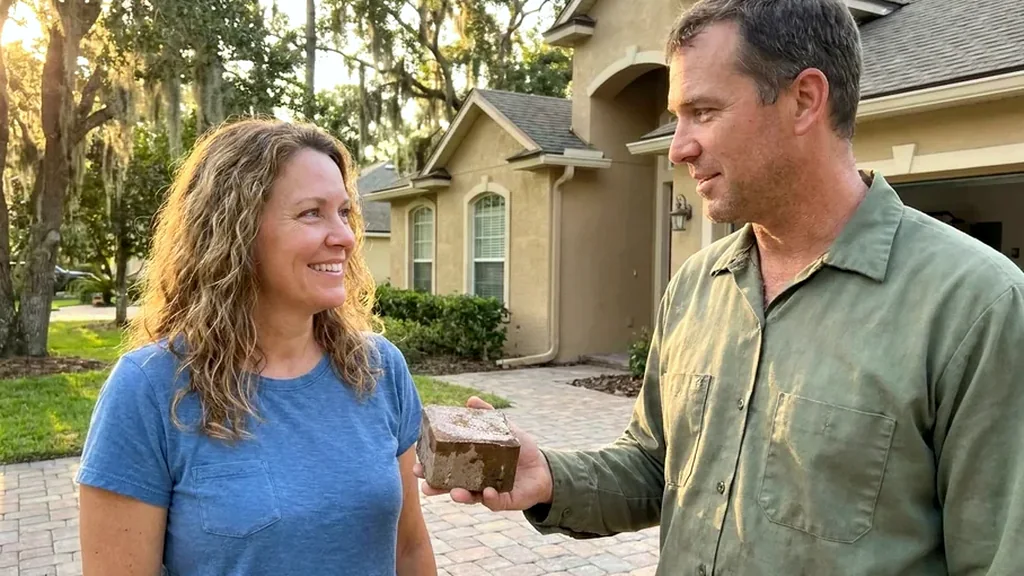
What do sealed pavers look like around Lakewood Estates?
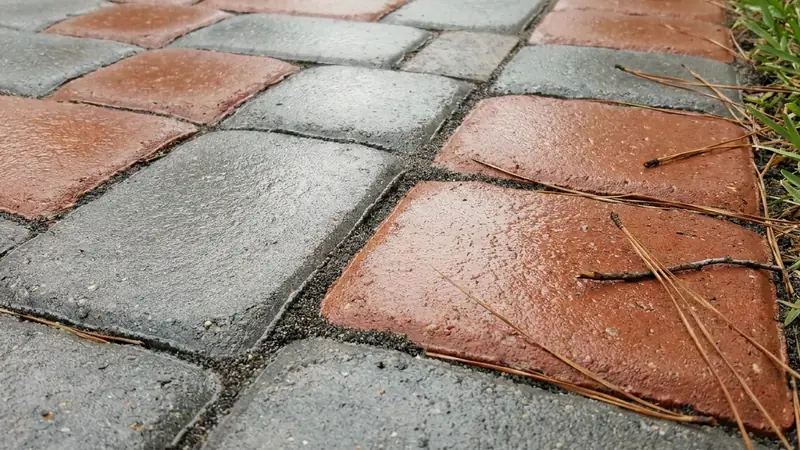
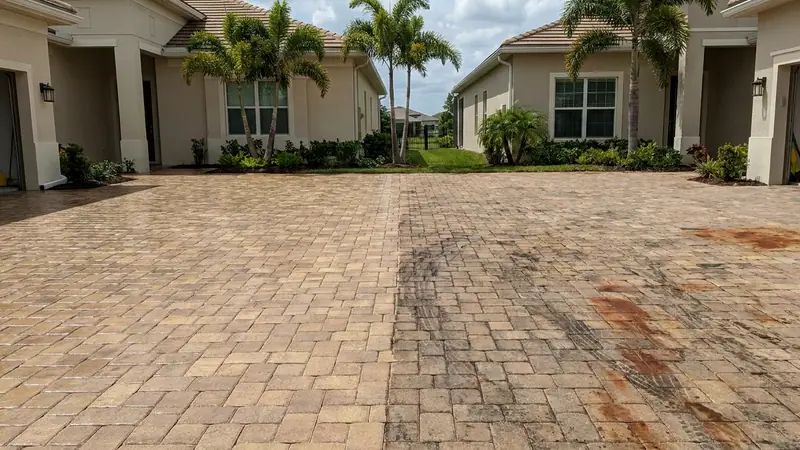
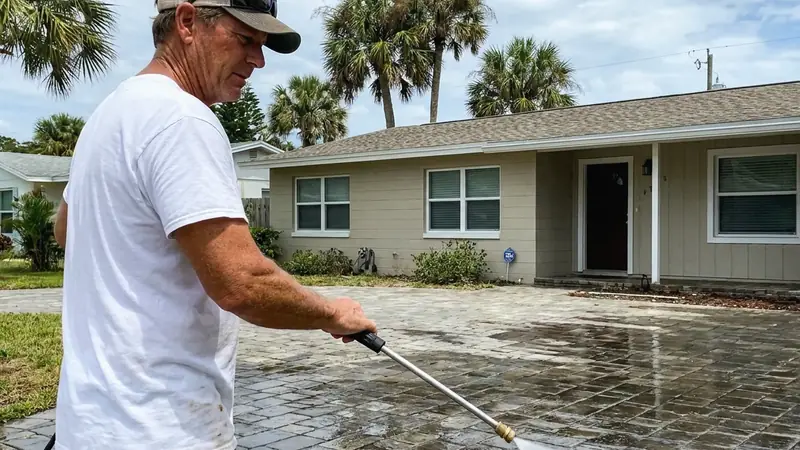
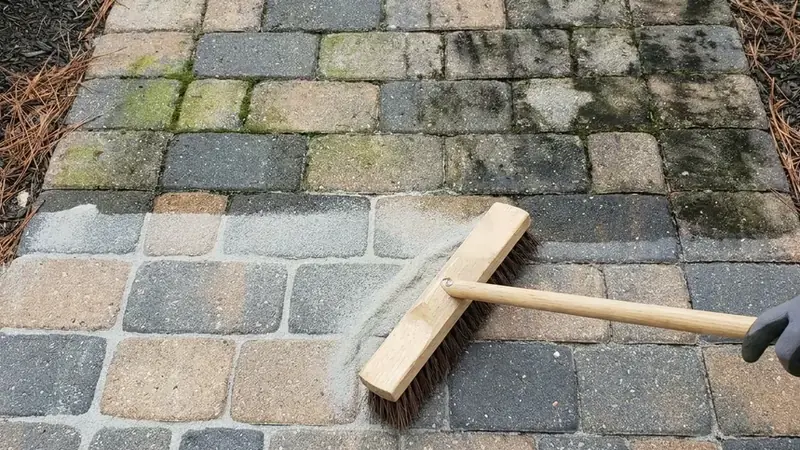
Why local matters in Lakewood Estates
Near a golf course, one lot gets sun all day and the next sits under old trees. A contractor who works this side of town asks which one you have, since shade sets how much green film to expect. Out-of-town crews tend to quote without asking. For a local opinion, call (727) 591-3365.
Storm timing is local knowledge too. Afternoon downpours are routine here between May and October, and a lot in this part of south St. Petersburg can stay wet well after the sky clears. A good plan builds in a spare day. To hear how a contractor handles that, request a free estimate.
Housing here is a mix. Single-family homes sit near buildings with several units, and shared pavers may need a nod from an association first. Local contractors ask. If yours is a shared courtyard, request a free estimate and say so before a date is set.
Is Lakewood Estates an older part of St. Petersburg?
Yes, its roots reach back to 1924, when Charles Hall developed the neighborhood around a new golf course. That course opened as Lakewood Country Club and now carries the St. Petersburg Country Club name. The neighborhood grew up in the same land boom that gave the city its Mediterranean-style hotels. If your walkway sits near the club, request a free estimate.
Lake Maggiore lies on the south side of the city and was first known as Salt Lake, when tides still reached it. Boyd Hill Nature Preserve, 245 acres of trails and boardwalks, borders the lake. These are landmarks for anyone living in or near Lakewood Estates. Near any of them, call (727) 591-3365 and give the contractor your street.
Frequently Asked Questions
How much does it cost to have pavers sealed in Lakewood Estates?
Published Tampa Bay rates run $1.25 to $2.50 per square foot for the full clean, sand and seal. Deep shade and an unknown old coat push a Lakewood Estates lot toward the top of that span. Get the square footage written on the bid so the math is easy to check.
How often should pavers be resealed in Lakewood Estates?
Companies that publish a span put it at two to five years between coats. One Tampa Bay company puts full-sun drives near the 3-year mark and covered patios at 5 years or more. If water stops beading on the surface, call for a look.
Is it better to spray or roll paver sealer on a Lakewood Estates driveway?
Contractors use both. A Brandon company sprays across the surface and checks coverage, and a company in St. Petersburg favors thin coats to avoid blotches. Ask which method your contractor plans and how many coats go down.
Can dish soap clean my Lakewood Estates pavers before sealing?
Leave the cleaner to the contractor, who picks it by the stain, whether algae, rust or oil. Nothing needs buying ahead of time. The wash also removes joint sand, which is replaced afterward.
Will oak leaves stain my pavers after sealing?
A sealed surface resists tannin better than bare pavers. One Tampa Bay company says live oak leaves and acorns leave tannin stains that sink into pavers with thin or no sealer. Clearing leaves promptly still helps.
Will a wet-look finish make my Lakewood Estates pool deck slick?
It can. A company in St. Petersburg says wet-look sealer is slicker when wet, so traction additives come up for pool areas. Matte is the other route. Raise bare feet at the estimate and ask what is suggested.
When can the car go back on a freshly sealed drive?
One Pinellas company says cars wait about 48 hours, with walking fine after about 4. A second company wants a full day before feet. Confirm the timing for the product on your drive, and keep sprinklers off while it cures.
Will sealing fix sunken pavers on my Lakewood Estates driveway?
No. A Tampa-based company says sunken sections are reset before sealing, since sealer only bonds well to a clean, dry, sanded surface. Point out low corners at the estimate so the repair is priced in.
Who approves paver work in a shared courtyard in Lakewood Estates?
That depends on who owns the surface. About 38 percent of homes in ZIP 33712 are in buildings with two or more units, so a courtyard may belong to an association. Check with your board before you book the estimate.
Should I pick matte or wet look for a mid-century Lakewood Estates home?
Matte keeps the pavers quiet beside an older house and hides scuffs better. A wet look deepens the color and is the most requested finish around Tampa Bay, according to one company. Ask to compare both before you decide.
Can pavers be sealed beside a pool cage in Lakewood Estates?
Yes. The contractor works around the cage, keeps rinse water off the screens as far as the layout allows, and treats the deck edge where salt, chlorine and moisture loosen joint sand. Tell the contractor how close the pavers sit to the screen.
Ready for a Free Estimate in Lakewood Estates?
Call (727) 591-3365 and tell us about your pavers.
Free, no obligation