
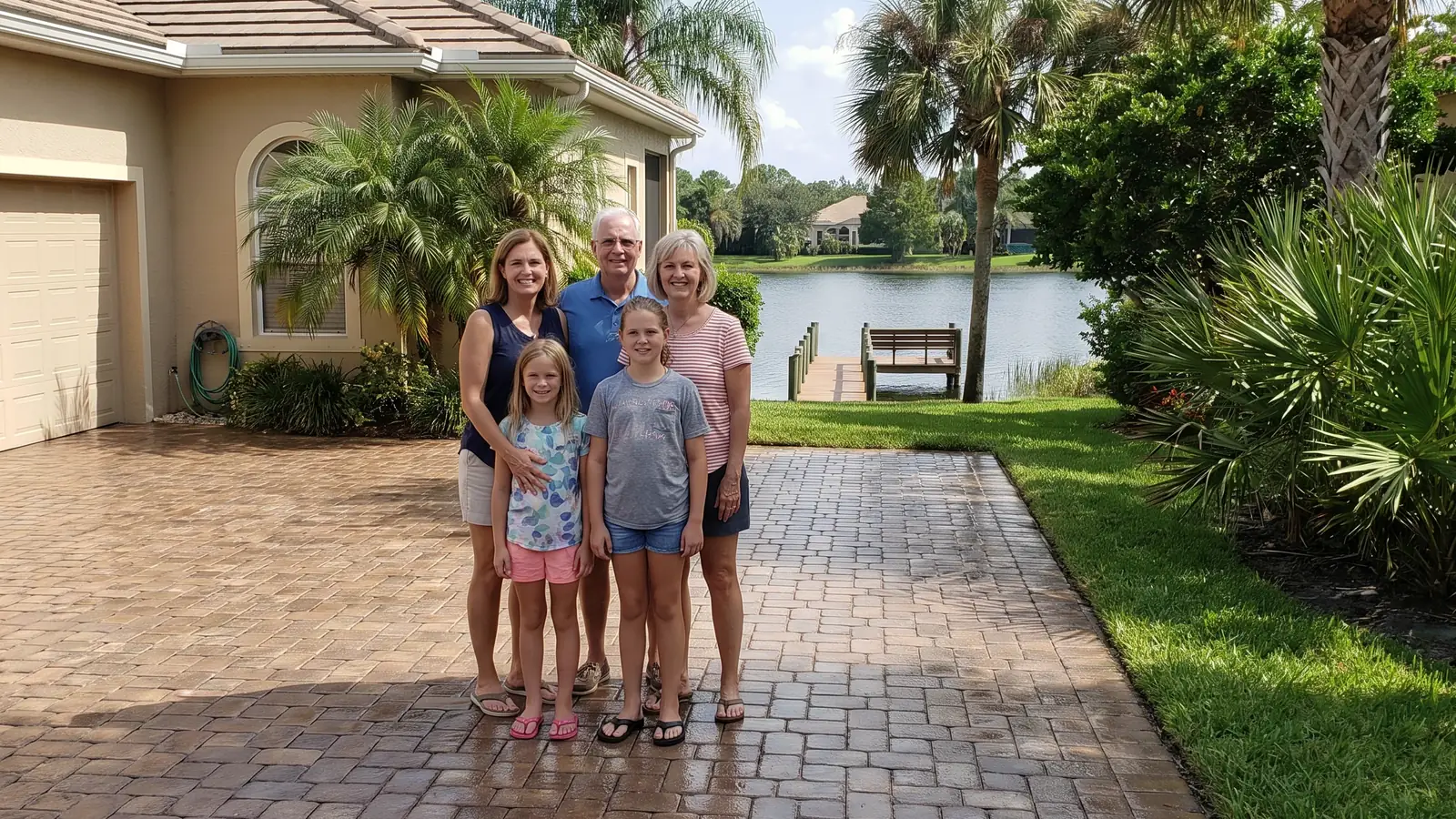
Paver sealing for Kenwood homes
Paver Sealing in Kenwood, FL
Kenwood bungalow walks and brick-edged driveways can look new again, so call (727) 591-3365 for a free paver sealing estimate.
- Brings out deeper paver color
- Fresh joint sand helps lock pavers in place
- Gives weeds less room to grow
- Makes the surface easier to keep clean
- Free estimate, no obligation
Request a Free Estimate
Free, no obligation.
Fast, careful paver sealing in Kenwood
Paver sealing is available across Kenwood, from the brick avenues near 5th Avenue North to the blocks beside Seminole Park. Wash, fresh sand and sealer are handled by a local contractor on front walks, driveways and back patios, with a free estimate first. Ask today, and an answer comes within 1 business day, usually much sooner. You can request a free estimate in a minute.
Picture the walk to a restored bungalow porch, gone gray and patchy under the oaks, with moss in the corners and weeds in the seams. A fresh coat can bring the original color back, and the joints stay tight. Prefer a voice? Call (727) 591-3365 and say what your walk and drive look like.
Why hire a local paver sealing contractor in Kenwood?
Kenwood owners tend to hire a local paver contractor because their homes are old, their lots are shaded and some blocks follow historic rules. Those three facts change how a job should go. To see how that fits your house, call (727) 591-3365.
You make the calls
You pick the day, the finish and whether to go ahead. A Kenwood estimate carries no obligation.
A free look at the lot
The contractor walks your Kenwood pavers at no charge, then names a price before anything is agreed to.
A finish that suits a bungalow
Matte lets a porch walk sit quietly beside Craftsman trim. Wet look adds depth but shows scuffs sooner.
A range you can check
Bay-area companies publish $1.25 to $2.50 per square foot, a yardstick for any Kenwood bid.
Get Your Free Estimate in Kenwood
Tell us about your pavers in Kenwood.
Free, no obligation
What paver problems show up most in Kenwood?
A past owner's sealer, product unknown
Owners have been restoring Kenwood homes since the 1990s, and many pavers have changed hands more than once. A previous owner may have sealed them with a product nobody wrote down. A water-based product cannot be laid over a solvent-based one, so the old coat has to be identified before anything else. A coat that peels or looks patchy is a clue, and any old receipt you can find helps. If you find a bucket label in a garage or shed, it helps more than you would expect.
Joint sand that leaves each summer
St. Petersburg has a defined rainy season from June through September. Heavy downpours rinse loose sand out of narrow joints, and bare joints let weeds and ants move in. Kenwood sits about 50 feet above sea level, higher than most of the city. Higher ground does not stop a hard rain from washing sand off a sloped drive, which means a driveway can look fine in May and gap in October. A quick look at the joints after the first fall storm shows how much sand is left.
Pavers that sit beside brick and granite
Many Kenwood avenues are still brick, with high granite curbs and hexagonal sidewalk pavers beside them. Where your driveway apron meets that old street edge, dirt and leaves pack into the seam. The rinse water also runs toward porches and wood siding. A careful contractor keeps runoff off the house and out of the seam, which means the cleaning plan on a corner lot may differ from a mid-block one. Some owners ask for the apron seam to be cleaned out by hand, which is worth mentioning at the first visit.
Rust spots from sprinkler spray
UF's Florida-Friendly Landscaping program notes that iron-rich well water, common statewide, leaves rust deposits wherever it lands. Orange streaks often come from irrigating with that water. If a sprinkler head throws spray across your walk, look for rust lines along the edge. Sealer would trap those marks, so they get treated during the wash. Aiming the heads away from the stone helps keep new ones from forming. Rust that has sat for years may fade rather than vanish, and the contractor should say so.
Leaf stain and green film under the oaks
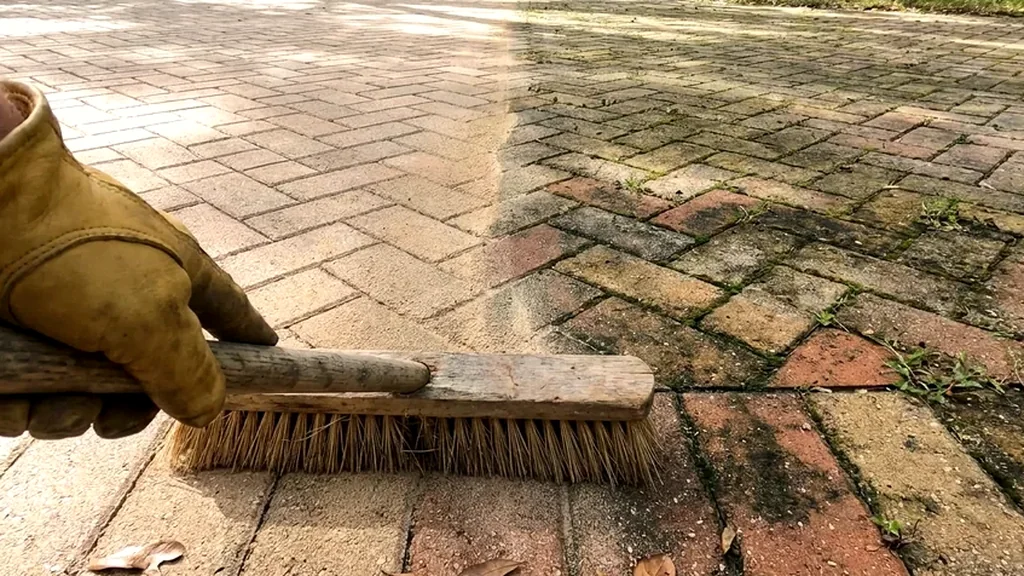
Kenwood streets are lined with large oaks, along with jacaranda, palms and pines. Falling leaves and blossoms sit on a walk and leave dark marks, and the shade keeps the surface damp for days. One Tampa Bay company puts shaded patios among the first spots hit by mold, mildew and algae. If your front walk never sees full sun, expect the green to start there and to come back each summer. Raking the walk before a rain keeps the stain from setting deeper, but only a wash lifts what is already there.
Do Kenwood's local historic districts change how I seal my pavers?
They can affect exterior work, so ask before you start. Three smaller districts inside Kenwood, Seminole Park, Southeast Kenwood and Northwest Kenwood, are on the local register. In a local district the city reviews exterior changes and issues a certificate of appropriateness. When you request a free estimate, mention which blocks you live on so the contractor knows what to check.
The sources do not say that sealing a paver walk needs a certificate. Changing the look or layout of a driveway might, so a short call to city preservation staff settles it. Seminole Park, with its Craftsman pavilion, is a good landmark to name when you describe your block. Once you know which rules apply, request a free estimate and ask for a date that works for you.
The wider Kenwood district was listed in 2003 and holds 2,203 historic buildings. Most are one-story and two-story homes from 1912 to 1945, and bungalows are more than half of them. Some bungalows were moved here in the 1930s from other neighborhoods. Call (727) 591-3365 and tell the contractor what year your home dates from.
What does paver sealing cost in Kenwood?
For the full wash, sand and seal, Tampa Bay companies publish a range of $1.25 to $2.50 a square foot. On a Kenwood lot, shade growth, old sealer and lost joint sand are what push a bid up or down inside that range. Walks and patios are measured with the drive, which raises the total as the layout grows. To see where your Kenwood lot falls, request a free estimate.
Access plays a part as well. A short drive beside a bungalow is quick to reach, while a narrow side walk to a garage apartment means hauling gear by hand. A short walk costs more per square foot than a long drive, because the setup does not shrink. Describe your lot on a call to (727) 591-3365, and the contractor can say which of these apply.
| Paved area | Typical example | Clean, sand and seal |
|---|---|---|
| 300 sq ft | Small patio or walkway | $375 to $750 |
| 600 sq ft | Two car driveway | $750 to $1,500 |
| 1,000 sq ft | Large driveway or pool deck | $1,250 to $2,500 |
| 1,500 sq ft | Driveway plus pool deck | $1,875 to $3,750 |
Math based on the $1.25 to $2.50 per square foot that Tampa Bay paver companies publish. Your contractor sets the actual price after seeing the surface. Repairs, leveling and stripping failed sealer are usually extra.
How does a paver sealing job work in Kenwood?
Walk the walks and read the surface
The contractor looks at where water runs on your Kenwood lot and where the oaks keep the pavers damp. Sunken or lifted spots get repaired first, since sealer would preserve a dip. If a coat is already down, its type limits what can go over it. Tell the contractor if the pavers came with the house, and mention any rust or oil you have seen. Photos of the walk from when you bought the house can help show what has changed.
Wash off the leaf stain and green film
Cleaning removes the grime that builds up under oak and palm shade. Rust from sprinkler spray and oil from the driveway get treated at this stage too. Rinse water is kept off wood siding and porch steps. On a historic bungalow, that care matters more than speed, and the contractor should say how runoff will be handled. Heavy moss may need a second pass, and the quote should say so.
Fill the joints with fresh sand
Once the wash lifts out loose sand, the joints are refilled before any sealer goes down. Full joints help block weeds and keep pavers from shifting. After the summer rains, bare joints are common here. If yours have been open for a while, this step may take longer. Where a hexagonal sidewalk paver meets your drive, the contractor checks that joint too.
Let the surface dry all the way
Sealer needs a dry surface. The rainy season runs from June through September, and a shaded Kenwood walk can stay damp long after a sunny drive dries out. Expect the contractor to read the forecast and hold off rather than seal wet stone. The low corners of the walk are where moisture hangs on longest, so the contractor feels those by hand.
Apply the finish you chose
The finish coat follows, in matte or wet look. A wet look shows scuffs sooner, which is worth thinking about on a drive that sees daily tires. Between coats, companies commonly allow two to five years, and Kenwood shade may point to the short end. Ask where your shade puts you in that range, and how long to wait before cars and patio furniture return. Write the product name on a calendar for the next coat.
Complete paver services in Kenwood
St. Petersburg's rainy season runs June through September, so timing matters. A shaded patio near Seminole Park may stay damp for days after a sunny drive dries. The contractor watches for a clear stretch and moves the date if needed, which means a rescheduled day is a sign of care. For a date that fits your street, request a free estimate.
Sealer comes down to two choices, water-based or solvent-based, and then a matte or wet look. If an earlier owner left a solvent-based coat, a water-based product cannot follow it. On a 1920s bungalow, matte keeps the walk from outshining the porch. Ring (727) 591-3365 to compare finishes for your Kenwood home.
A Kenwood job follows one order: wash, re-sand, dry, then seal. The wash lifts leaf stain and green film, and fresh sand goes back into the joints. Sealer comes last, so no dirt is locked underneath. For the timing of each stage on your lot, call (727) 591-3365.
The pavers here are mostly front walks, drive strips beside the house and patios behind it. Walks under the oaks tend to go green first, while a driveway apron takes tire wear and rain. Brick-edged lots need care with rinse water near the street seam. Say what kinds of surfaces you have when you request a free estimate.
Questions to ask before you hire
- My pool uses salt. Will the sealer or the rinse water bother it or the screen cage?
- My community has an HOA. Do you handle their approval paperwork?
- After a downpour, how many dry days do you want before you start?
- Do you walk the property with a tape or a wheel before you give me a price?
- My sprinklers left orange spots near the garage. Can those come out?
- If I give you one flat number, which jobs on the checklist does it pay for?
- What do you do to protect my lanai furniture, my shrubs and the lawn edge?
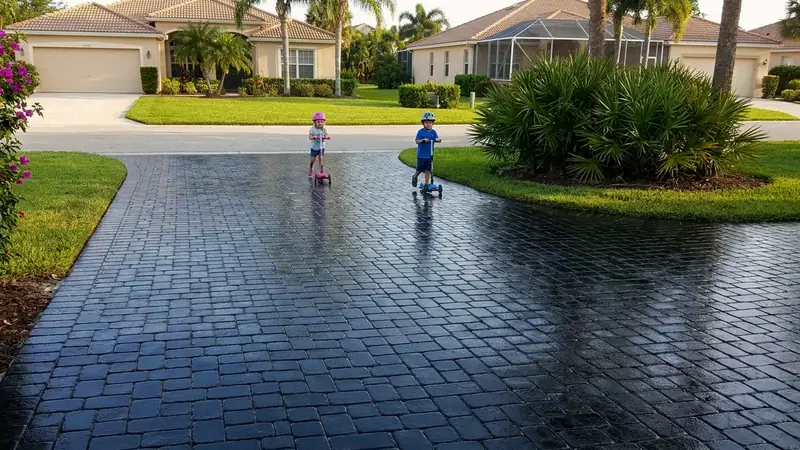
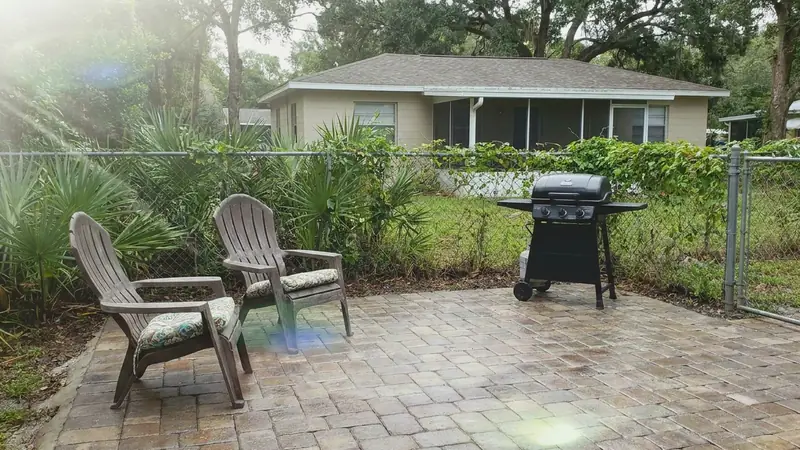
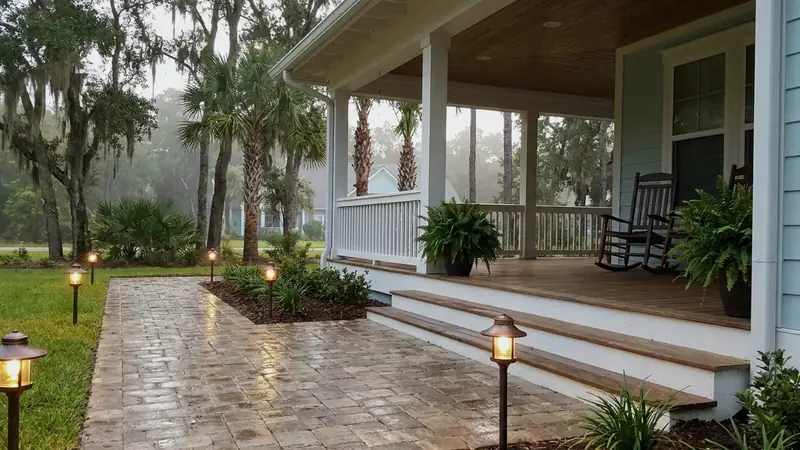
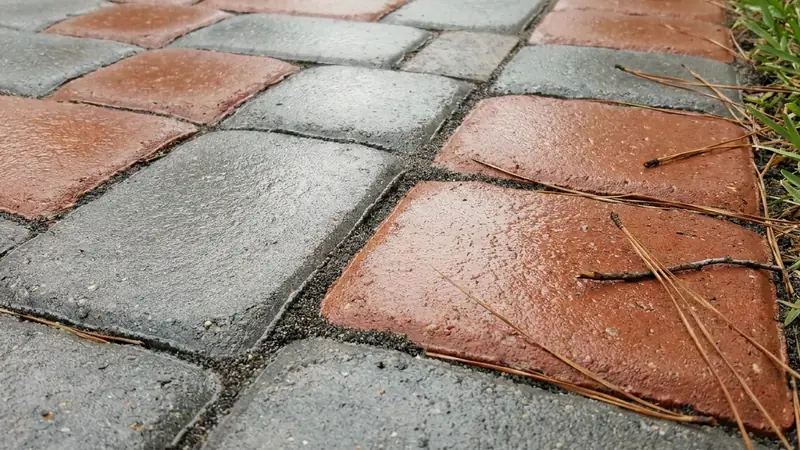
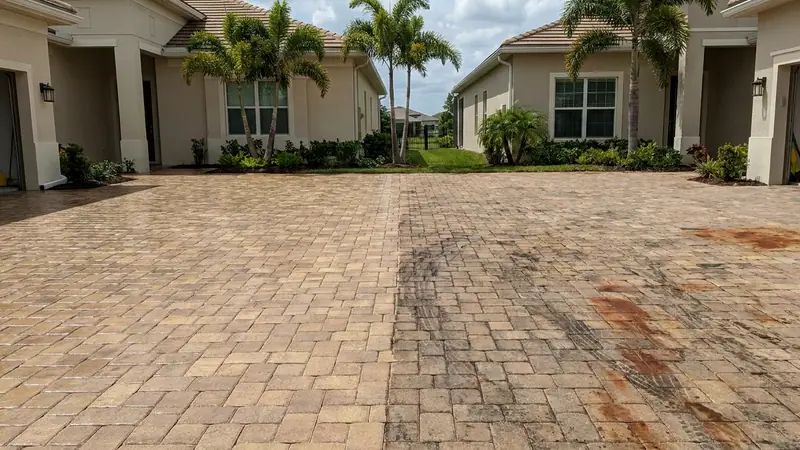
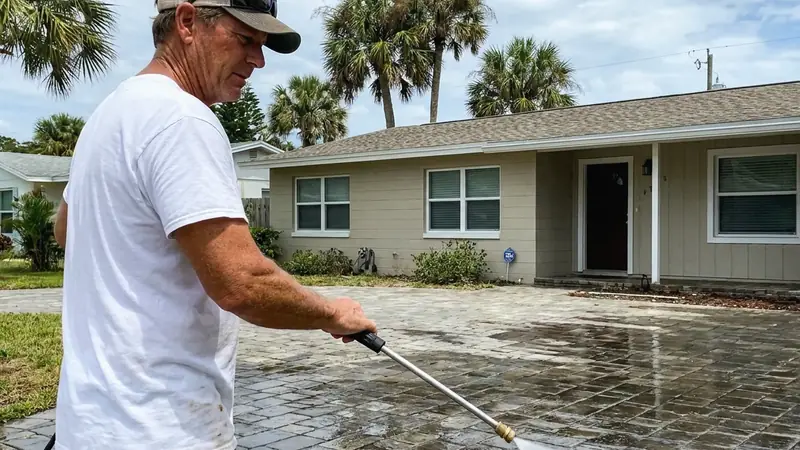
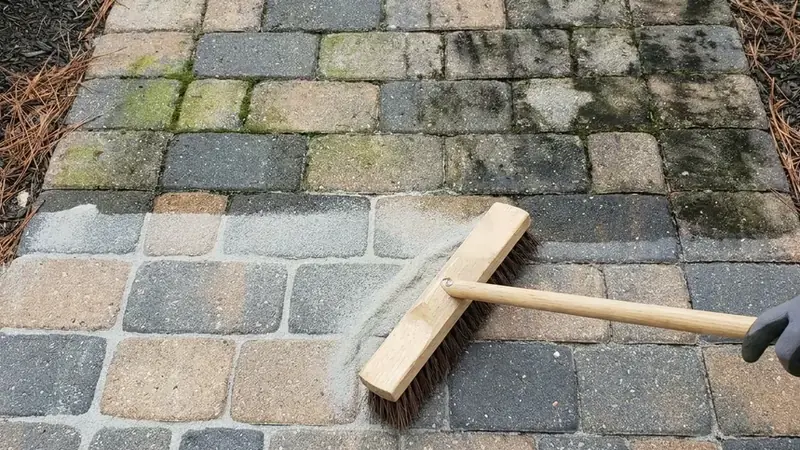
What do sealed pavers look like around Kenwood?
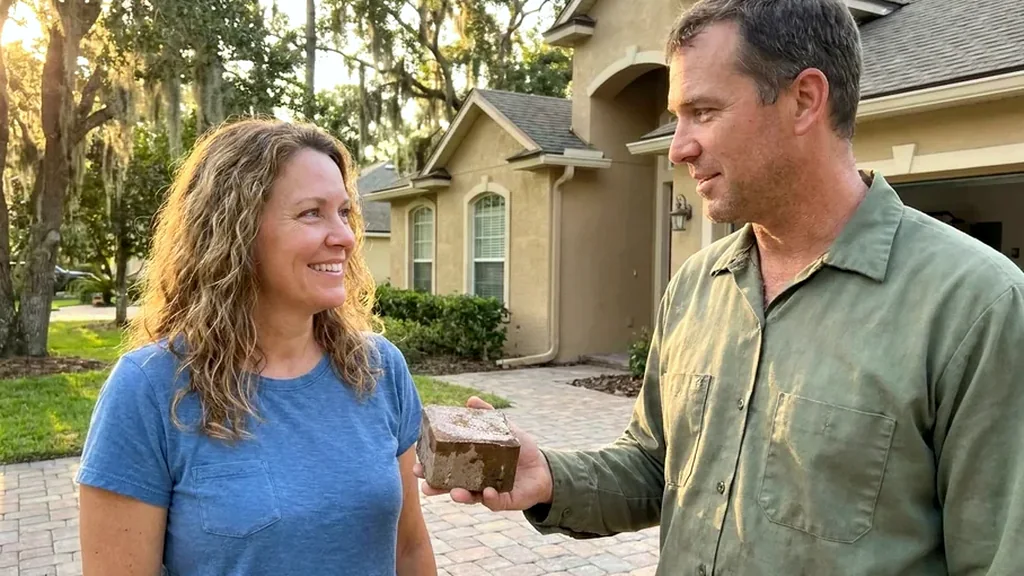
Why local matters in Kenwood
A contractor who knows Kenwood will ask whether your block is in a local historic district. That one question can save a delay with the city. Someone who works only on new subdivisions may not think to raise it. To reach a contractor who works these older streets, call (727) 591-3365.
Local habits help with timing too. Summer storms arrive fast, and oak shade means a walk dries slowly. A contractor who has worked bungalow lots knows to check the shaded side first, and to leave time for it to dry. You can request a free estimate and ask how the work would be planned around the weather.
Older homes need gentler handling at the edges. Kenwood has frame and masonry houses side by side, with porches close to the walks. Someone used to these houses steers rinse water away from siding and shrubs. If your house is one of those, request a free estimate and mention the year it was built.
Is Kenwood a good place to hire a contractor who knows older homes?
Yes, because Kenwood was platted in 1912 and filled out in the 1920s, so most of its homes are a century old. Many neighbors have restored porches and removed old siding since the 1990s. Seminole Park, given by developer Charles Hall, anchors the middle of the district. If your walk is near the park, request a free estimate.
St. Petersburg High School, built in 1926, stands along 5th Avenue North. The district also keeps its brick avenues and hexagonal sidewalk pavers, and neighbors gather for a Porch Party each month on the second Friday. These are the streets a Kenwood contractor works beside every day. For a free look at your own pavers near any of them, call (727) 591-3365, with no obligation.
Frequently Asked Questions
What happens if I never seal my Kenwood pavers?
Over the years you would see gappy joints, weeds, ants and fading color. Stains from leaves, rust and oil also set in deeper. Sealing slows those problems, though it does not repair sunken pavers, which need to be reset first.
Which sealer works for pavers in Kenwood?
Sealers come in two families, and what is already on your pavers narrows the pick. Water-based cannot go over solvent-based. Ask that the sealer's name go in writing for the next visit. Then choose matte or wet look to suit the house.
What are the downsides of sealing pavers?
Sealer wears and needs fresh coats every few years. On a wet look, scuffs turn up sooner than they do on matte. It also needs a dry surface, which can push the date back on a shaded Kenwood lot after rain. Those are real costs, so ask about them before you agree.
How often should I seal pavers in Kenwood?
Quotes run two to five years from coat to coat, so a walk under the oaks may sit near the short end. A paver that drinks water and turns dark, instead of beading it, has lost its coat. A contractor can check this on the first visit.
Can sealing fix rust or leaf stains on my Kenwood pavers?
Stains get treated during the wash, before sealer goes on, since sealer would trap them. Rust from sprinkler spray and dark leaf marks are common here. Point them out at the first visit so they are included in the quote. Some old marks may fade rather than vanish. A test spot on the edge of the walk shows whether the rust will lift.
How much does it cost to seal pavers in Kenwood?
Published Tampa Bay prices run $1.25 to $2.50 per square foot for washing, sanding and sealing. Where a Kenwood job lands depends on shade growth, old sealer and missing joint sand. Have the quote state the square footage, so two bids can be compared line by line.
Do I need city approval to seal pavers in Kenwood?
It depends on your block. Parts of Kenwood are local historic districts, where exterior changes need a certificate of appropriateness. The sources do not name sealing, so ask city preservation staff before work begins. A quick call costs nothing and can head off a delay. Ask for the answer in writing if you can.
Will sealing change the look of my historic bungalow walk?
Matte keeps a natural look, while a wet look deepens the color and adds shine. On an older bungalow many owners pick matte so the walk stays quiet beside the porch. Ask to see both finishes on a sample before you choose. A small test patch on a corner of the walk can show you the finish before the whole job is done.
Is it worth it to seal pavers in Kenwood?
For most owners, yes, because sealing locks joint sand in place and cuts down on staining and algae. A Pinellas County company makes that point about weeds and shifting. Shaded Kenwood walks gain the most, since they stay damp and green over summer. Sealing does not fix sunken pavers, so those get reset first.
Ready for a Free Estimate in Kenwood?
Call (727) 591-3365 and tell us about your pavers.
Free, no obligation